
photo by TJOwens
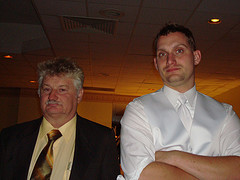
Have you been in that video conference call where you can see that people are going for the expressionless look? Kind of reminds me of that scene in the movie “Speed,” where our hero, Keanu Reeves, admonishes the passengers on the bus to make only small movements so that the bad guy will not figure out that he is watching an endless recording rather than real, live people.
With dispersed teams, even with the best technology we are using tools that are not designed for building relationships.
Lack of context is the biggest challenge in dispersed team communication processes. When we work in the same location, we can observe many cues about our colleagues besides just the words they use. Are they rushing around, taking worrisome personal calls, etc.? We understand communication in 3 ways:
- Environmental cues: audio, visual, and physical cues
- The medium used: how rich is it? Email, voice, face-to-face, video conferencing
- Relationships: knowing and understanding a person changes the way we perceive the communication
Our understanding of people based on these factors can be eroded by distance. In traditional team settings, it is often assumed that familiarity, reciprocal disclosures, fulfilled promises, and some demonstration of non-threatening vulnerability will build trust over time. With global teams we have to become proactive in helping humans do their best work. We need to engineer relationships. By that I mean this definition of “engineer:”
“To plan, manage, and put something through by skillful acts”